
人文社会学部ESDの取り組みに関するFD研修(2026年度前期)の報告


前期4月初旬に実施したFD(Faculty Development:教員研修)では、新任教員の研修もかねて、ESD基礎科目の概要の説明とともに、各班での実践の振り返りを行いました。また、6月では、名古屋大学のマルティナ・バラデルさんを迎え、留学生の対応について情報共有する機会を持ちました。
日 時:(1)2026月4月7日日(火)午後4時半から5時まで
(2)2026年6月2日(火)午後3時から4時半まで
場 所:(1)1号館1階会議室
(2)1号館1階会議室
参加者:(1)人文社会学部教員45名(参加率93.8%)
(2)人文社会学部教員31名(参加率64.6%)
目 的:(1)ESD基礎科目を理解する
(2)留学生の対応について、留学生としての経験があり、かつ留学生の受け入れをしている人の意見を聞き、各人の授業や研究指導をふり返る。また、本学の留学生の動向を聞き、その傾向を理解する。
内 容:
(1)16:30-16:40 ESD基礎科目の目的と枠組みの概説(曽我)
16:40-17:00 顔合わせ(ESD基礎科目6科目ごと)
(2)15:00-15:20 話題提供1(名古屋大学マルティナ・バラデルさん)
15:20-15:40 話題提供2(本学研究科椎名渉子さん)
15:40-16:00 グループディカッション
16:00-16:30 質疑応答
昨年度同様、前期FD第1回では、今年度の入学生のSDGs/ESDの学修状況およびESD基礎科目とは何かを改めて確認するための時間を持ちました。SDGsを既習済みの入学生ですが、ESDについてはほぼ知らない学生です。グループワークについても、慣れている学生が増えている一方で、苦手だったり好きじゃなかったりする学生がいます。こうした学生たちの状況を共有したうえで、ESD基礎科目で大事にしてほしいことを説明しました。その後、各科目に分かれて、新メンバーとの顔合わせを行い、どのような授業をしているのかを共有しました。
On June 2, 2026, Professor Martina Baradel (Nagoya University) delivered a lecture for the FD program on the challenges involved in teaching international students at Japanese universities. Drawing on her teaching experience, Professor Baradel discussed the linguistic, cultural, and academic difficulties that international students may encounter and considered practical approaches for creating a more accessible and inclusive learning environment. Particular attention was devoted to communication in the classroom and to the importance of making expectations, instructions, and academic conventions clear to students from different educational backgrounds. On the same day, Professor Shōko Shiina (Nagoya City University) presented a paper on international student support based on data from Nagoya City University and broader national trends. She distinguished among exchange students, privately funded undergraduate students, and graduate students, emphasizing that each group requires different forms of academic and institutional support. At Nagoya City University, graduate students constitute approximately two-thirds of the international student population, while the Faculty of Humanities and Social Sciences is a major destination for international undergraduates. Drawing on a recent survey, Professor Shiina noted exchange students’ generally high satisfaction with university support and life in Nagoya, alongside their desire for greater interaction with Japanese students and more opportunities to develop practical Japanese skills. She concluded by addressing the particular challenges of supervising international graduate students, including research planning, thesis writing, communication with supervisors, and monitoring academic progress.
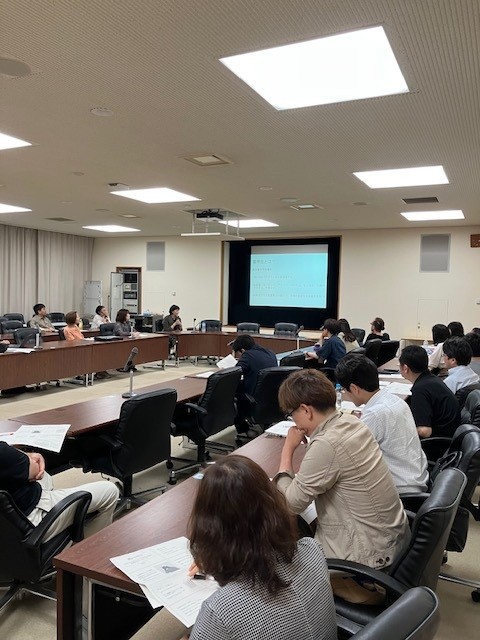
バラデルさんの講話
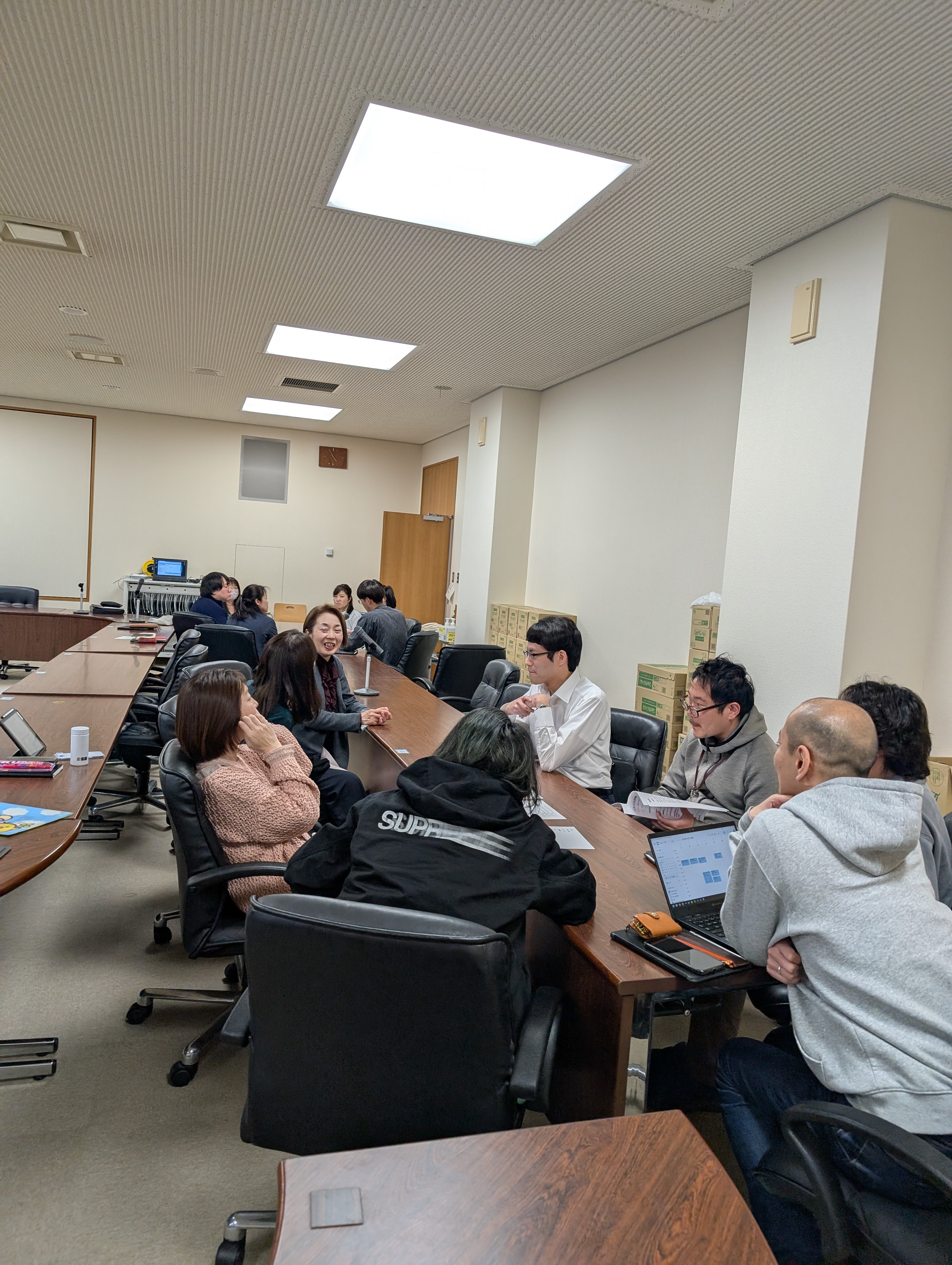
各班の話し合い
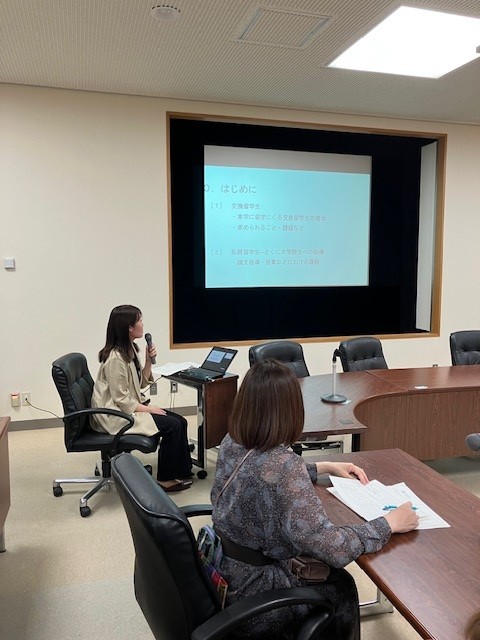
椎名先生の講話