
Koutarou KIMURA
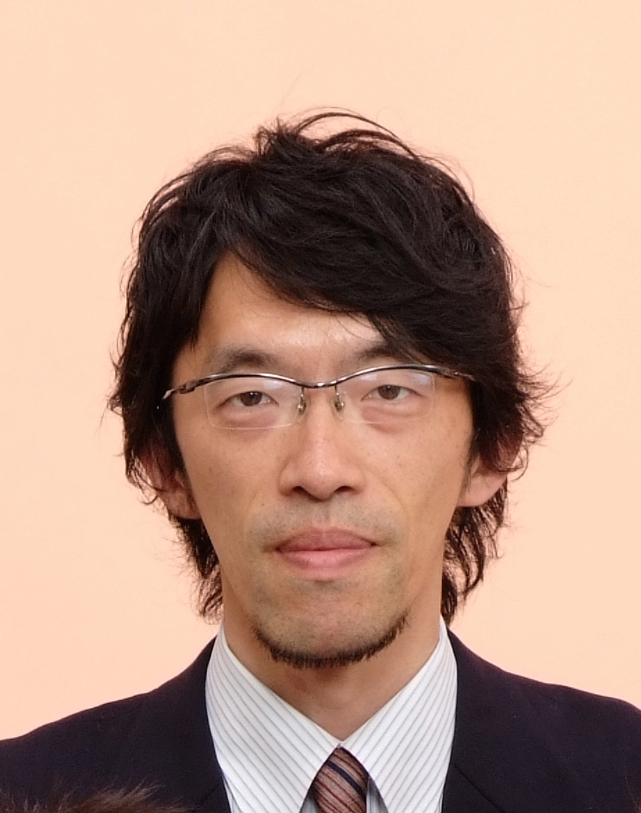


| Division | Biological Science, Professor |
|---|---|
| Education and Work Career | 2018 – present: Professor. Graduate School of Science, Nagoya City University 2013 – 2018: Associate professor (tenured). Graduate School of Science, Osaka University 2009 - 2013: Associate professor (tenure track). Graduate School of Science, Osaka University 2006 - 2010: PRESTO Reseacher. Japan Science and Technology Agency 2004 - 2008: Assistant professor (concurrent). Department of Genetics, Graduate University for Advanced Studies 2003 - 2008: Assistant professor. Structural Biology Center, National Institute of Genetics (Mishima, Japan) 1998 - 2003: CREST research fellow of Japan Science and Technology Corp. Division of Biological Science, Nagoya University (Nagoya, Japan). PI: Prof. Ikue Mori 1997 - 1998: Overseas Research fellow (JSPS). Harvard Medical School (Boston, USA). PI: Prof. Gary Ruvkun 1996 - 1998: Postdoctoral fellow. Department of Molecular Biology, Massachusetts General Hospital, and Department of Genetics, Harvard Medical School (Boston, USA). PI: Prof. Gary Ruvkun 1995 - 1996: Research fellow of the Japan Society for the Promotion of Science (JSPS). Department of Applied Biological Chemistry, University of Tokyo. PI: Prof. Yasuhisa Fukui 1992 - 1995: Ph. D. Department of Applied Biological Chemistry, University of Tokyo |
| Academic Degree | Doctor of Agriculture |
Contents of page
Research Field
Neuroscience, molecular genetics, opto-physiology
Current Research Topics
How do "brain functions"—such as perception, memory, emotion, and decision-making—arise from a network of nerve cells? To reveal its basic principle, we study the nematode C. elegance, the roundworm with a simple brain.
To understand how the brain functions, it is critical to rigorously quantify sensory stimuli, behavioral responses triggered by the stimuli, and neural activities in between, and to reveal the relationships among them. We measure and analyze those multiple aspects of worm's sensory behavior with the robot and machine learning technologies through collaborations with researchers in the fields.
To understand how the brain functions, it is critical to rigorously quantify sensory stimuli, behavioral responses triggered by the stimuli, and neural activities in between, and to reveal the relationships among them. We measure and analyze those multiple aspects of worm's sensory behavior with the robot and machine learning technologies through collaborations with researchers in the fields.
Selected Publications
3DeeCellTracker, a deep learning-based pipeline for segmenting and tracking cells in 3D time lapse images. Wen C, Miura T, Voleti V, Yamaguchi K, Tsutsumi M, Yamamoto K, Otomo K, Fujie Y, Teramoto T, Ishihara T, Aoki K, Nemoto T, Hillman EMC, Kimura KD. eLife (2021)
STEFTR: A hybrid versatile method for state estimation and feature extraction from the trajectory of animal behavior. Yamazaki SJ, Ohara K, Ito K, Kokubun N, Kitanishi T, Takaichi D, Yamada Y, Ikejiri Y, Hiramatsu F, Fujita K, Tanimoto Y, Yamazoe-Umemoto A, Hashimoto K, Sato K, Yoda K, Takahashi A, Ishikawa, Y, Kamikouchi A, Hiryu S, Maekawa, Kimura KD. Frontiers in Neuroscience (2019)
Calcium dynamics regulating the timing of decision-making in C. elegans. Tanimoto Y*, Yamazoe-Umemoto A*, Fujita K, Kawazoe Y, Miyanishi Y, Yamazaki SJ, Fei X, Busch KE, Gengyo-Ando K, Nakai J, Iino Y, Iwasaki Y, Hashimoto K, Kimura KD. eLife (2017)
In actio optophysiological analyses reveal functional diversification of dopaminergic neurons in the nematode C. elegans. Tanimoto Y, Zheng YG, Fei X, Fujie Y, Hashimoto K, Kimura KD. Scientific Reports (2016) 10.1038/srep26297
Modulation of different behavioral components by neuropeptide and dopamine signalings in non-associative odor learning of Caenorhabditis elegans. Yamazoe-Umemoto, A, Fujita, K, Iino, Y, Iwasaki, Y, Kimura, KD. Neuroscience Research (2015) 99, 22-33
Enhancement of odor avoidance regulated by dopamine signaling in Caenorhabditis elegans. Kimura KD†, Fujita K, Katsura I. The Journal of Neuroscience (2010) 30, 16365-16375.
Temperature sensing by an olfactory neuron in a circuit controlling behavior of C. elegans. Kuhara A, Okumura M, Kimata T, Tanizawa Y, Takano R, Kimura KD, Inada H, Matsumoto K, Mori I. Science (2008) 320, 803-807.
The C. elegans thermosensory neuron AFD responds to warming. Kimura KD†, Miyawaki A, Matsumoto K, Mori I†. Curr. Biol. (2004) 14, 1291-5.
Regulation of C. elegans life-span by insulinlike signaling in the nervous system. Wolkow CA*, Kimura KD*, Lee MS, Ruvkun G Science (2000) 290, 147-150.
daf-2, an insulin receptor-like gene that regulates longevity and diapause in Caenorhabditis elegans. Kimura KD*, Tissenbaum HA*, Liu Y, Ruvkun G. Science (1997) 277, 942-946.
STEFTR: A hybrid versatile method for state estimation and feature extraction from the trajectory of animal behavior. Yamazaki SJ, Ohara K, Ito K, Kokubun N, Kitanishi T, Takaichi D, Yamada Y, Ikejiri Y, Hiramatsu F, Fujita K, Tanimoto Y, Yamazoe-Umemoto A, Hashimoto K, Sato K, Yoda K, Takahashi A, Ishikawa, Y, Kamikouchi A, Hiryu S, Maekawa, Kimura KD. Frontiers in Neuroscience (2019)
Calcium dynamics regulating the timing of decision-making in C. elegans. Tanimoto Y*, Yamazoe-Umemoto A*, Fujita K, Kawazoe Y, Miyanishi Y, Yamazaki SJ, Fei X, Busch KE, Gengyo-Ando K, Nakai J, Iino Y, Iwasaki Y, Hashimoto K, Kimura KD. eLife (2017)
In actio optophysiological analyses reveal functional diversification of dopaminergic neurons in the nematode C. elegans. Tanimoto Y, Zheng YG, Fei X, Fujie Y, Hashimoto K, Kimura KD. Scientific Reports (2016) 10.1038/srep26297
Modulation of different behavioral components by neuropeptide and dopamine signalings in non-associative odor learning of Caenorhabditis elegans. Yamazoe-Umemoto, A, Fujita, K, Iino, Y, Iwasaki, Y, Kimura, KD. Neuroscience Research (2015) 99, 22-33
Enhancement of odor avoidance regulated by dopamine signaling in Caenorhabditis elegans. Kimura KD†, Fujita K, Katsura I. The Journal of Neuroscience (2010) 30, 16365-16375.
Temperature sensing by an olfactory neuron in a circuit controlling behavior of C. elegans. Kuhara A, Okumura M, Kimata T, Tanizawa Y, Takano R, Kimura KD, Inada H, Matsumoto K, Mori I. Science (2008) 320, 803-807.
The C. elegans thermosensory neuron AFD responds to warming. Kimura KD†, Miyawaki A, Matsumoto K, Mori I†. Curr. Biol. (2004) 14, 1291-5.
Regulation of C. elegans life-span by insulinlike signaling in the nervous system. Wolkow CA*, Kimura KD*, Lee MS, Ruvkun G Science (2000) 290, 147-150.
daf-2, an insulin receptor-like gene that regulates longevity and diapause in Caenorhabditis elegans. Kimura KD*, Tissenbaum HA*, Liu Y, Ruvkun G. Science (1997) 277, 942-946.
